
Schedule a Visit

Welcome to Nairobi Waldorf School Trust

We offer a transformative, holistic education rooted in the innovative philosophy developed by Rudolf Steiner


Nairobi Waldorf School Trust offers a transformative, holistic education rooted in the innovative philosophy developed by Rudolf Steiner. Our non-profit, parent-led Trust is governed by a Board of Trustees who work collaboratively with school management, ensuring a community-driven approach that values creativity, environmental stewardship, and purposeful learning.

Our two campuses—Karen and Lavington—provide distinct yet complementary environments. The Karen Campus, nestled in a serene, indigenous forest, offers classrooms that function as living walls, connecting students directly with nature. This immersive environment fosters sustainability and environmental consciousness. It is also home to our full academic offering, from Kindergarten through to High School, where we teach the Kindergarten Curriculum from KG to Class 8, followed by the Waldorf Curriculum for High School in Classes 9 and 10. In Classes 11 and 12, students have the opportunity to specialize further by choosing between the IB Diploma Program (IB DP) or BTEC pathways. We are proud to be the only Waldorf school in East Africa offering a High School program, providing students with a unique and holistic education that prepares them for life beyond the classroom.

The Lavington Campus blends the beauty of Waldorf education with the energy of an urban setting, providing a dynamic, balanced learning experience where students engage with both their local community and the world at large. Currently, Lavington serves students up to Class 5, with future growth on the horizon.
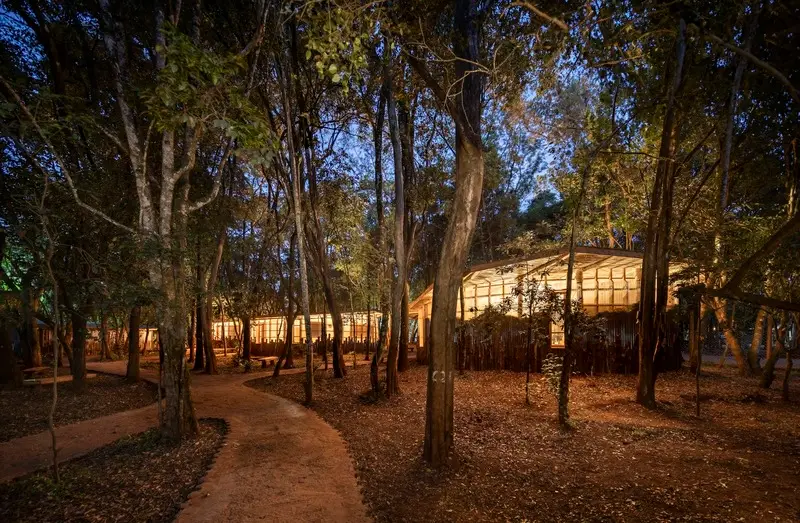
We nurture each child holistically—developing their head, fostering intellectual growth through critical thinking and creativity; their heart, promoting emotional resilience, empathy, and social responsibility; and their hands, encouraging practical skills and artistic expression. This integrated approach helps students become well-rounded individuals, ready to thrive in an ever-changing world. We honour and value every child and family, working actively to deepen diversity, equity, inclusion, and justice within our community.

Our parent-run structure ensures active involvement, with every resource reinvested into enriching our students’ education. At NWST, we build more than knowledge — we build a foundation for lifelong learning and meaningful, ethical engagement with the world. NWST is a registered trust, and as such, we are not a profit-seeking school – all the resources we have go back to support the school, teachers, and our students.
Awards & Recognition

These achievements reflect our dedication to creating confident, capable, and globally-minded students.

Great Places to School Awards

Great Places to School Awards — 2025

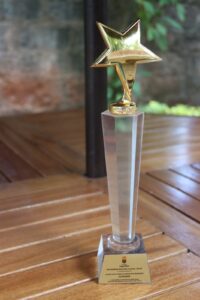
Equity and Inclusion The Nairobi Waldorf School Trust (NWST) was recognised as the winner in the Equity and Inclusion category at the Great Places to School Global Awards. The recognition celebrates the school's commitment to creating an inclusive learning environment where every child is valued, supported, and encouraged to thrive through a holistic approach to education..

Learn more →

HOLCIM AWARDS

HOLCIM AWARDS — 2025

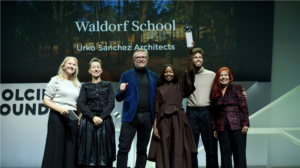
The Nairobi Waldorf School Trust (NWST), in collaboration with Urko Sánchez Architects, received the prestigious 2025 Holcim Foundation Award as the Middle East & Africa Regional Winner for sustainable design. The award recognises the school's thoughtfully designed, eco-conscious campus, set within a protected forest in Nairobi, and celebrates its harmonious integration with the natural environment.

Learn more →

Great Places to School Awards

Great Places to School Awards — 2024

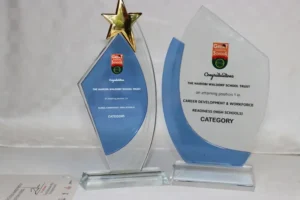
  • Career Guidance and Workforce Readiness (High School Level): We are thrilled to have achieved 1st place, reflecting our exceptional efforts in equipping high school students with the skills and guidance needed for future career success.
  • Global Competence (High School Level): Our dedication to fostering globally aware and culturally sensitive students earned us 2nd place in Global Competence.

Learn more →

Great Places to School Awards

Great Places to School Awards — 2023

  • Career Guidance and Workforce Readiness (Primary Level): Our commitment to preparing students for future success was recognized with a prestigious 2nd place award in Career Guidance and Workforce Readiness.
  • Global Competence (Primary Level): Demonstrating our focus on developing well-rounded, globally aware students, we proudly secured 3rd place in Global Competence.

Learn more →


Get Started

The balance between academics and non - academic activities is one of the things I value most as it allows my children to enjoy their childhood

Curriculum Admissions

Get Started

Frequently Asked Questions

Waldorf education integrates academics with the arts, movement, practical work and nature-based learning. Lessons are designed to meet children at each stage of their development, encouraging curiosity, creativity, critical thinking and a lifelong love of learning.

Yes. Waldorf education has been practised in more than 80 countries for over 100 years and is recognised worldwide for its child-centred approach. Many Waldorf graduates successfully transition into universities and careers across the globe.

Every child is unique, but many families appreciate Waldorf education because it values each child's individual strengths, interests and pace of development while providing a balanced and engaging learning experience.

Waldorf education is a holistic approach to learning that nurtures the intellectual, emotional, physical and creative development of each child. Rather than focusing only on academic achievement, it seeks to educate the whole child: head, heart and hands through meaningful, age-appropriate learning experiences.

Waldorf education is inspired by the educational insights of Rudolf Steiner. It recognises that children develop in distinct stages and seeks to provide learning experiences that support each stage naturally and meaningfully.

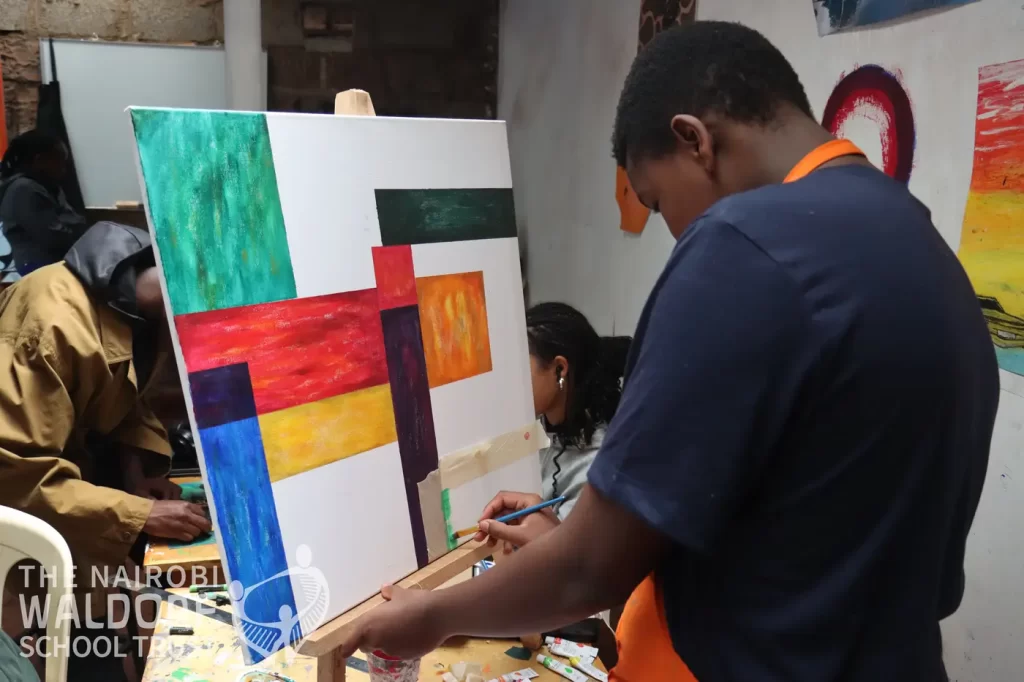
Creative activities such as painting, music, drama, handwork and movement are not extras: they are an essential part of learning. They help children develop imagination, resilience, confidence, problem-solving skills and deeper understanding across all subjects.