Class trips at NWST play a vital role in the holistic education approach that the Waldorf philosophy advocates. The importance of of the class trips include:
- Experiential Learning - Waldorf education places a strong emphasis on experiential learning—learning by doing and experiencing the world firsthand. Class trips provide students with opportunities to connect with the material they have studied in the classroom in a real-world context. For instance, a trip to a historical site brings history lessons to life, while a visit to a farm enhances the students’ understanding of agriculture and farming.
- Fostering Independence and Responsibility - Class trips encourage students to step out of their comfort zones and take on new challenges. This fosters a sense of independence and responsibility as they manage their belongings, follow schedules, and work collaboratively with their peers. These experiences help students develop life skills that are essential for their personal growth.
- Enhancing Social Skills and Community Building - Waldorf education emphasizes the development of social skills and a sense of community. Class trips provide an extended time for students to interact with each other and with their teachers in a setting different from the classroom. This helps to strengthen bonds, promote teamwork, and build a strong sense of community. Students learn to support each other, resolve conflicts, and work together towards common goals.
- Deepening Connection with Nature - Many Waldorf class trips involve nature and outdoor activities, reflecting the Waldorf emphasis on connecting with the natural world. Whether it’s hiking, camping, or visiting a natural reserve, these experiences cultivate a sense of appreciation and respect for the environment. Students learn about ecology, sustainability, and the interconnectedness of all living things through direct engagement with nature.
- Integrating Art and Creativity - Art and creativity are central to Waldorf education. Class trips often include activities that allow students to express themselves artistically, whether through drawing, painting, writing, or performing. These creative expressions help to integrate and deepen their learning experiences, making the lessons more meaningful and memorable.
- Cultural and Global Awareness - Class trips expose students to different cultures, traditions, and ways of life. This broadens their perspectives and fosters a sense of global awareness and empathy. By experiencing diverse environments and interacting with people from various backgrounds, students develop a more nuanced understanding of the world and their place in it.
- Personal and Academic Growth - Overall, class trips in a Waldorf school contribute to both personal and academic growth. They provide opportunities for students to apply their knowledge in real-world situations, reflect on their experiences, and grow as individuals. The integration of intellectual, emotional, and physical learning helps to nurture well-rounded, confident, and compassionate individuals.
The Nature of NWST Trips
Each class experiences an annual educational class trip. The educational class trip has clearly defined objectives that align with specific curriculum goals, ensuring that students can apply classroom learning in a practical context. Class trips are directly relevant to the subjects or topics covered, providing real-world experiences that reinforce and deepen the students’ understanding. Teachers prepare students by introducing relevant concepts and background knowledge before the excursion, setting the stage for meaningful engagement. Following the trip, post-trip reflections and activities such as journaling, group discussions, presentations, or creative projects help students process their experiences and integrate them with their classroom learning. This comprehensive approach ensures that educational trips are not only enriching and enjoyable but also seamlessly integrated into the curriculum, enhancing overall educational outcomes.
The staffing requirements for each class trip is adequately addressed, ensuring the appointment of trip leaders, and other necessary personnel. Expectations for staff conduct and responsibilities during trips are clearly outlined and discussed at faculty meetings, while comprehensive training and preparation for staff involved in trip supervision is provided. To ensure student safety and effective supervision, the following adult-to-student ratios is maintained: for primary and secondary school day trips, a ratio of 1:20, and for residential trips (trips lasting more than a day), 1:10; for kindergarten day trips, a ratio of 1:10 for 4-6 year olds and 1:6 for 1.5-3 year olds. Additionally, it is mandatory to have both male and female adults present on all trips, and parent volunteers are invited to assist with kindergarten trip supervision. This thorough and structured approach to supervision and staffing guarantees a safe, well-organized, and enriching experience for all students.
ANNUAL EDUCATIONAL CLASS TRIPS - OVERVIEW
Kindergarten: Nature Celebration Trip: Embracing Nature's Beauty
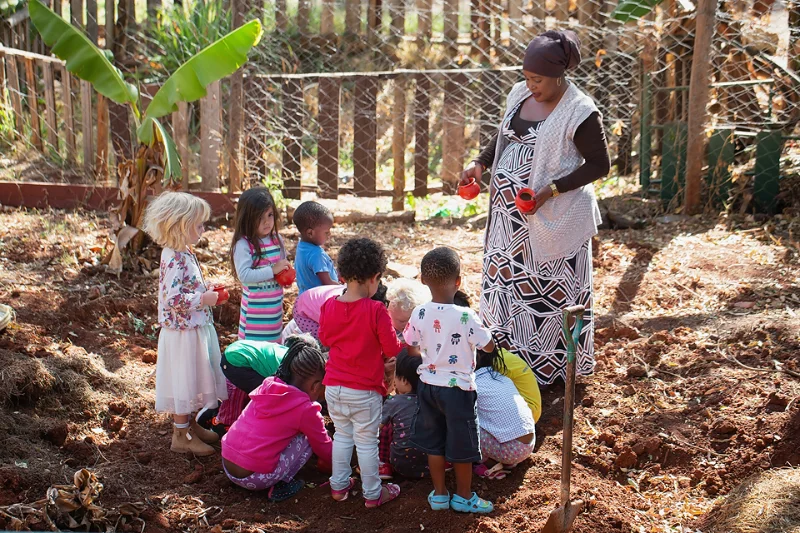
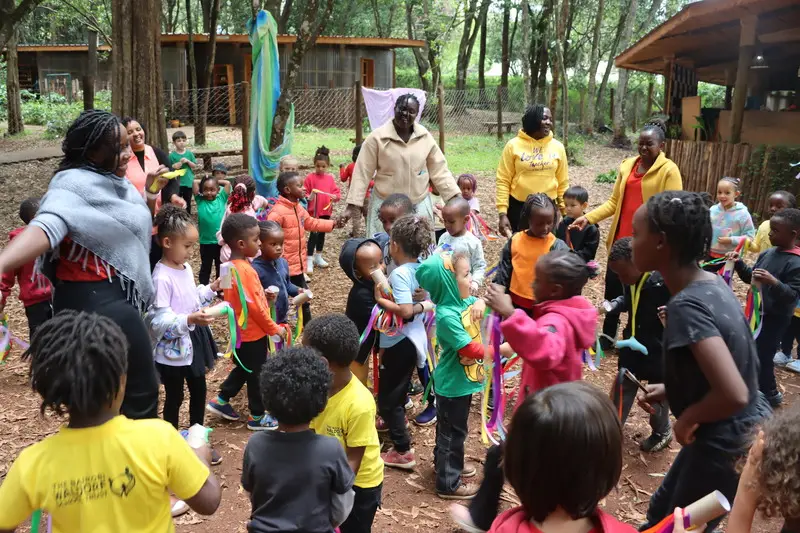
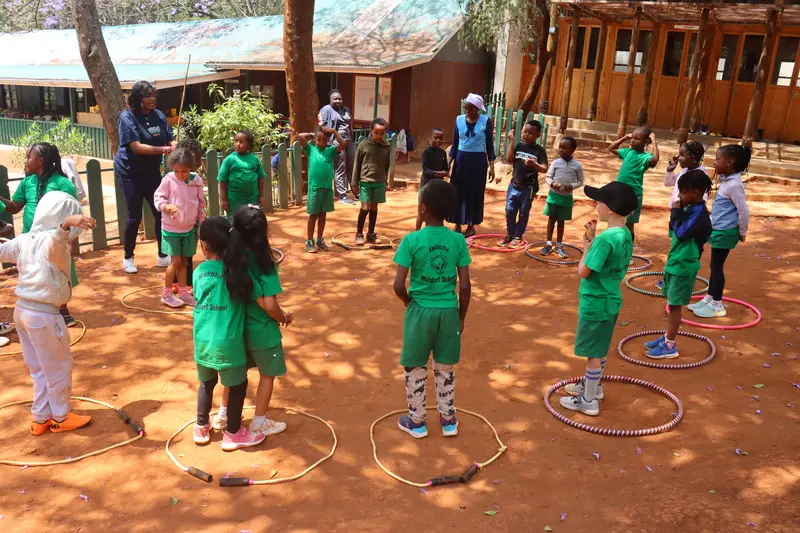
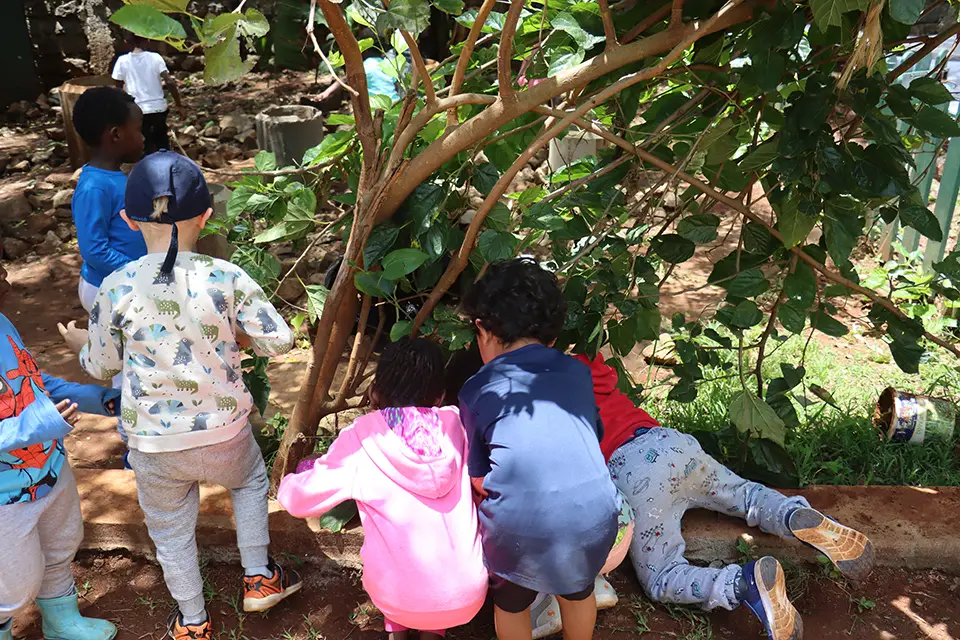
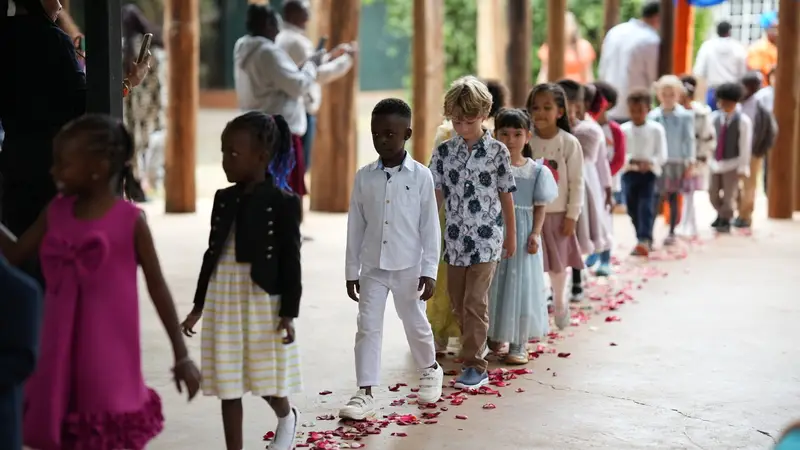
A Kindergarten trip happens once in a school year, likely when they are celebrating a festival, either flower or rainbow festival. This can be a nature trail in a forest or a visit to a farm. The children usually have a picnic at the site. The main theme is allowing the children to connect and appreciate nature. This is a half day trip and the venue is chosen somewhere near/around the school to allow the children to come back for lunch/pick up time.
Duration of the trip: Half a day.
Class 1: Nature Exploration: Local Half-Day Trip
Class 1 tours the local area for half a day during school hours. This trip occurs near school and could include a nature trail such as Oloolua Forest in Karen. The curriculum related theme is nature.
Duration of the trip: half a day.
Class 2: Camping Adventure: On-Campus Camping Experience
Class 2 typically camps on campus, pitching tents, making a bonfire, and sleeping overnight. This experience allowed them to socialize outside of class and become comfortable staying away from home, gaining independence and confidence. This overnight trip usually occurs in January or February.
Duration of the trip: one night.
National Park Adventure: A Day of Nature Exploration
The children go to the park preferably in the second term or after and they get to see and experience the animals that they have been hearing so much about in the fables. They deepen their experience of them by seeing them in real life and hearing more about them from the tour guides.
Block Alignment: Animal Fables.
Duration of the trip: one day.
Class 3: Farm Adventure
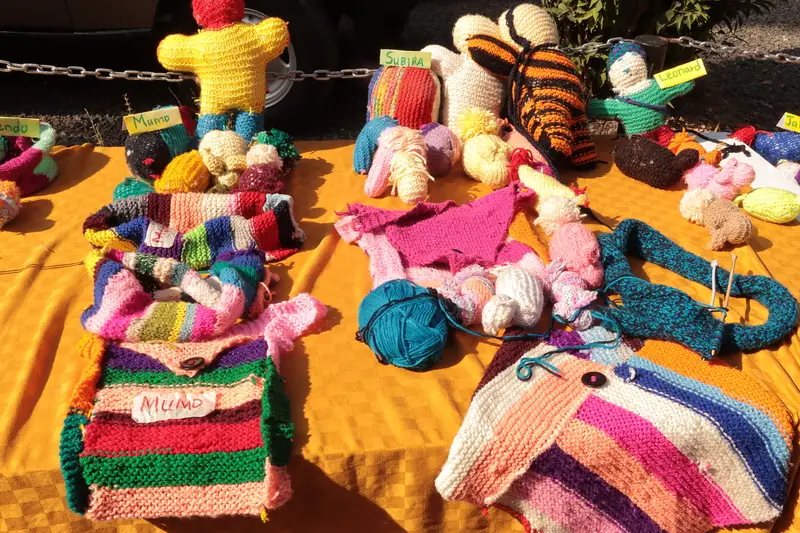
Class 3 travels to a Farm. The children stay for 4 nights, learning about a working farm, planting trees, tending to animals, making bread and butter, and exploring the natural world around them to better understand their Farming and Gardening block. Students have the chance to participate in farm activities such as planting seeds, feeding animals, and even milking a cow (under supervision, of course). Professional shearers will demonstrate the art of removing wool from the sheep humanely, and students will have a chance to try their hand at it. Students follow the journey of wool from the sheep's back to the finished product. They'll learn how to wash, card, and spin the wool into yarn.
The farm visit makes a child feel less lonely and more independent. “I can do it,” is the feeling a teacher looks for in a nine year old. The insecurities that arise in the class 3 child are dissolved in work, a strong practice of will, the sense of belonging through participation, the experience of competence and fulfilling tasks.
Block Alignment: Farming and Gardening.
Duration of the trip: 5 days.
Crafts Adventure:
1. Destination 1: Crafting Memories with Clay
Class 3 is in for an exciting day as they embark on a pottery workshop adventure to a local potter's studio. This hands-on trip is designed to ignite the creative spark in our students and provide them with a memorable experience as they delve into the art of pottery. Students will witness a pottery demonstration by skilled artisans, learning about the various techniques and stages involved in pottery making. Following the demonstration, students will have the opportunity to create their own pottery pieces, guided by experienced potters. The students' pottery creations will be left at the workshop for kiln firing, adding an element of anticipation and excitement to their experience.
2. Destination 2: Masai Weavers - Traditional Crafts Exploration
The Maasai people are known for their vibrant and intricate beadwork, and students will have the opportunity to learn about this fascinating craft, its cultural significance, and its importance to the local community. Students will engage in hands-on workshops where they can create their own Maasai beadwork under the guidance of skilled artisans.
Block Alignment: Pottery/Weaving
Duration of the trip: one day.
Class 4: Safari Adventure: Exploring a National Park
Class 4 goes on safari to a National Park. During their 4 day trip, they view animals in their natural habitat, meet with residents from a local village, and learn about human-wildlife conflict, tying into their block of Man and Animal studies.
Block Alignment: Local Geography, Man and Animal.
Duration of the trip: 5 days.
Exploring Local History and Geography
The students delve into the rich local history and geography of our region by visiting one or both prominent destinations: the Karen Blixen Museum and Ngong Hills. These trips (2) are designed to be both informative and engaging, providing students with a memorable learning experience.
Duration of each trip: one day.
Class 5: Botanical Exploration
Class 5 travels to Batian’s View Education Centre. They stay for 5 days, learning about the natural flora of the region, both indigenous and exotic. This exploration of plants coupled with Kenyan history allows further understanding of their Botany block.
Block Alignment: Botany, Geography
Duration of the trip: 5 days
Class 6: Conquering Mount Kenya
Class 6 climbs Mount Kenya. Over the course of 6 days, the group hikes and camps their way up the mountain. They apply their studies of MineralogyGeology as they see first-hand the changing terrain under their feet. This trip usually occurs in February following a series of smaller hikes.
Block Alignment: Geology, Geography
Duration of the trip: 6 days
Class 7: Exploring the Mysteries of the Rift Valley: A Journey of Discovery
This remarkable journey is designed to align perfectly with our class 7 curriculum, encompassing studies in Geography, Astronomy, History, Discoveries, and Exploration. This journey takes the class to the shores of Lake Naivasha, a true celestial marvel. The class delves into the world of mining, aligning with the discoveries and exploration curriculum, further understanding the Earth's geological wonders. The class has the chance to explore astronomy concepts as we stargaze under the African night sky. The glittering stars will serve as your classroom, opening doors to the wonders of our universe.
Block alignment: Astronomy, Geography, History.
Duration of the trip: 5 days.
Class 8: Coastal Adventure: Exploring Kenya's Rich History
Class 8 embarks on a fascinating journey to the coast of Kenya, where they explore historical sites and landmarks that are deeply connected to the history curriculum and various other learning areas.
The proposed places of interest include: Fort Jesus, Gede ruins, Vasco da Gama pillar, Sabaki bridge, old Malindi, Haller Park and Shimo la Tewa. This ties to their History block.
Block alignment and learning areas: Environmental Science, History, Geography .
Duration of the trip: 5 days.
Class 9: Unlocking the Geological Wonders of Rift Valley: A Journey through Time and Space
This expedition is meticulously designed to align with several key learning areas, fostering curiosity, understanding, and appreciation. We will embark on an adventure that includes visits to Lord Egerton Castle, Olkaria Geothermal Area and Lake Bogoria, and the Menengai Crater.
Block alignment: Geology, History, Geography
Duration of the trip: 5 days.
Class 10: Starry Skies and Earth's Wonders
Students will have the opportunity to explore the mysteries of the night sky. We'll begin our adventure with a night spent under the vast canvas of stars, far away from the city lights, in a tranquil countryside setting. Here, students will learn to identify constellations, planets, and celestial objects with the guidance of experienced astronomers.
Under the guidance of skilled surveyors, students will use trigonometric principles to measure distances, angles, and elevations, creating accurate land surveys. The class also evaluates the effects on human activities on the weather and climate of the area.
Block alignment: Astronomy, Geography, Mathematics (Trigonometry and Surveying).
Duration of the trip: 5 days.
Classes 11 and 12 (IBDP CAS, Projects)
CAS, which stands for Creativity, Activity, and Service, is one of the core components of the IBDP (International Baccalaureate Diploma Program). CAS is designed to promote holistic personal development in students by encouraging them to engage in a wide range of extracurricular activities and experiences beyond the classroom:
- Creativity: CAS encourages students to explore their creative side by participating in activities such as art, music, drama, writing, and more. This component allows students to develop their imagination, innovation, and creative problem-solving skills. Engaging in creative pursuits fosters a sense of self-expression, and it can also lead to personal growth and increased self-confidence.
- Activity: The "Activity" aspect of CAS promotes physical well-being and a healthy lifestyle. Students are encouraged to participate in sports, physical fitness activities, and other forms of exercise. This component not only supports physical health but also teaches students valuable lessons about teamwork, discipline, and perseverance.
- Service: The "Service" component of CAS emphasizes community engagement and social responsibility. Students are encouraged to volunteer their time and skills to help others in their communities. This can include activities like volunteering at a local charity, organizing fundraisers for a good cause, or participating in environmental conservation efforts. Service experiences help students develop empathy, a sense of social justice, and a commitment to making a positive impact on the world.
Short term CAS projects are continuous throughout the school year with the week-long trips occurring in February.